How Long Until 2:30 PM? A Human Guide to Time, Waiting
How Long Until 2:30 PM means the remaining time before the clock reaches 2:30 PM. People use it to check hours, minutes, and seconds left in the day. It helps with planning school, work, meetings, and daily tasks.
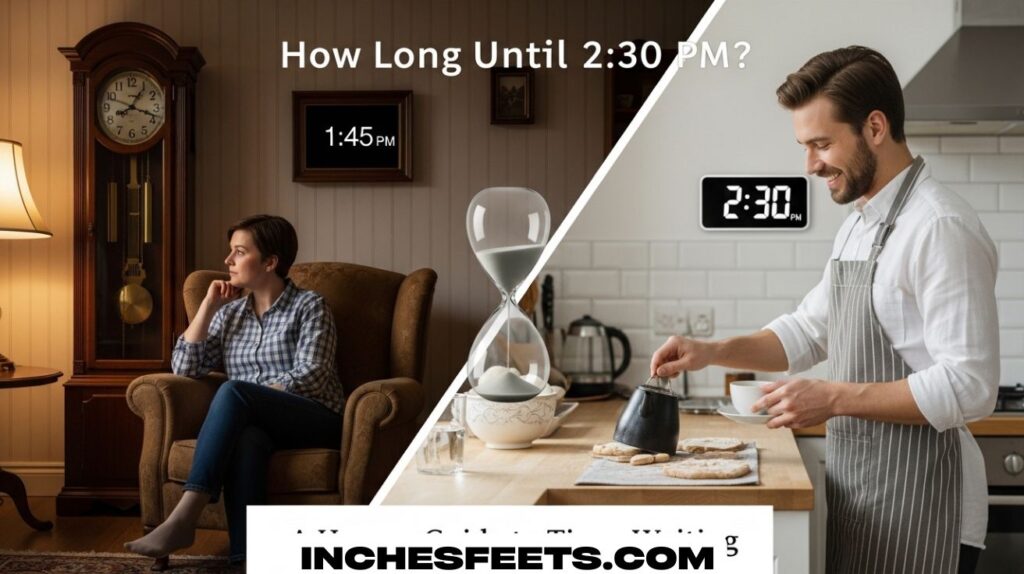
Sometimes waiting for 2:30 PM feels fast, and sometimes it feels very slow. A simple countdown can change how the whole afternoon feels. Many people keep checking the clock while waiting for an important moment.
Today, many tools help people track How Long Until 2:30 PM quickly and easily. Countdown timers, digital clocks, and online calculators show the exact remaining time. These tools make daily schedules more organized and less stressful.
The Quiet Math Behind Time Until 2:30 PM
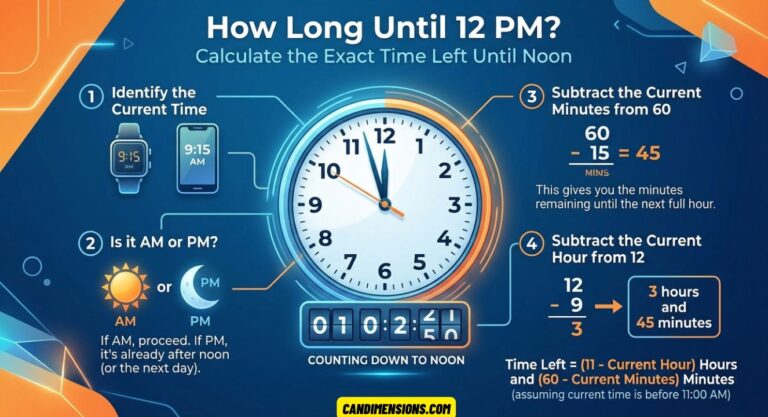
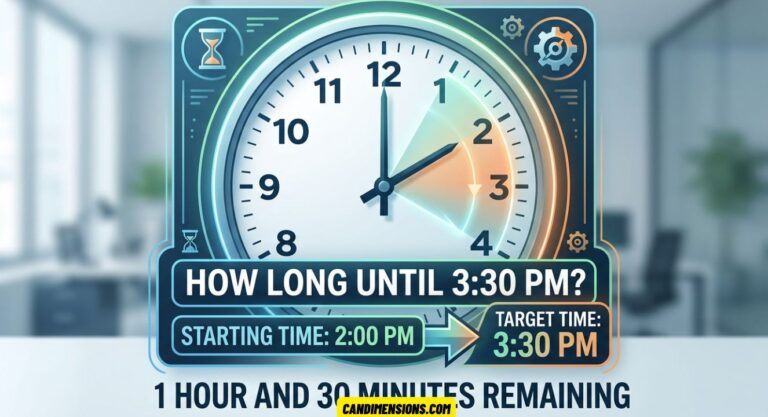
The simplest way to understand how long until 2:30 PM is through basic math. You look at the current time, compare it to your target time, and calculate the difference. That difference becomes your waiting period.
If the current time is 1:30 PM, then there is exactly one hour left. If it is 2:10 PM, then there are only twenty minutes left. This sounds simple, but our minds often make waiting feel longer than it really is.
The table below shows some common examples of time remaining until 2:30 PM.
| Current Time | Time Left Until 2:30 PM |
| 1:00 PM | 1 Hour 30 Minutes |
| 1:30 PM | 1 Hour |
| 2:00 PM | 30 Minutes |
| 2:15 PM | 15 Minutes |
| 2:25 PM | 5 Minutes |
| 2:29 PM | 1 Minute |
| 2:30 PM | Time Reached |
This simple process is called a time calculation. Many online tools now perform this instantly using a time calculator or remaining time calculator. These tools automatically measure the time difference between now and your target hour.
People also use terms like remaining hours and minutes, seconds remaining, and hour minute second counter when talking about countdown systems. These systems constantly update in real time, which makes the experience feel smoother and easier to follow.
A modern realtime countdown works almost like a living clock. Every second changes the display. Every minute feels measurable. That is why countdowns feel strangely satisfying to watch.
Tools That Actually Help (Without Making You Think Too Hard)
Technology has made it very easy to track the exact time until 2:30 PM. You no longer need to calculate anything in your head because modern tools handle everything instantly.
One of the most common tools is the countdown timer. You simply enter your target hour, and the system begins counting backward automatically. This creates a smooth 2:30 PM countdown that updates every second.
Many people also use a digital clock combined with a fullscreen timer during work or study sessions. These timers stay visible on the screen and help people stay focused while waiting for a specific moment.
Some tools work better for productivity while others are designed purely for convenience. A simple timer tool can help students, office workers, gamers, and parents organize their schedules. An online stopwatch can also help people track short periods during study or work breaks.
The table below shows popular countdown tools and how they help.
| Tool Type | Main Purpose |
| Countdown Timer | Tracks time until target hour |
| Online Stopwatch | Measures active waiting time |
| Fullscreen Timer | Keeps timer visible while working |
| PM Time Calculator | Calculates future hours quickly |
| Live Timer Display | Updates countdown every second |
| Smart Countdown Tools | Sync with phones and computers |
Many Americans use these systems as part of their daily routine. Office workers track meetings. Students track class endings. Parents track pickup schedules. Athletes track training sessions. These tools are now deeply connected to modern time management.
The best part is that most tools allow you to set custom timer settings. This means you can create personalized reminders for school, work, exercise, or daily routines.
How Long Until 2:30 PM (Emotionally Speaking)
Numbers only explain part of the story. The emotional side of waiting is much harder to measure.
The hours until 2:30 PM can feel completely different depending on your mood. If you are excited, time moves quickly. If you are anxious or bored, the clock suddenly feels slow and heavy.
Psychologists often explain this using attention and emotion. When your brain focuses deeply on waiting, every minute feels stretched. This is why minutes left until 2:30 PM sometimes feel endless during long meetings or difficult classes.
A student waiting for the school bell may feel the final thirty minutes drag forever. An employee waiting for lunch might keep checking the screen every few minutes. A person waiting for an important phone call may feel nervous every single second.
The emotional weight of waiting changes the entire countdown experience.
One famous quote about time says:
“Waiting is not empty. It is full of invisible feelings.”
That idea explains why even a short wait can feel emotionally intense. The actual time duration may stay the same, but your mind changes how it feels.
Sometimes the brain even exaggerates waiting because it wants certainty. That is why people constantly refresh countdowns or reopen apps to check the current time to 2:30 PM again and again.
How Long Until 2:30 PM When You Keep Checking
There is something oddly addictive about checking the clock repeatedly.
You check once at 2:05 PM. Then again at 2:07 PM. Then somehow another time only thirty seconds later. Suddenly the waiting itself becomes the main activity.
This happens because humans naturally seek progress. A visible clock countdown gives the brain a feeling of movement. Every passing second feels like proof that something is changing.
Modern phones make this even stronger. Notifications, widgets, and live timer display systems place time directly in front of your eyes all day long.
Research shows that repeated clock checking can actually make waiting feel slower. Your attention becomes locked onto the passing seconds. This increases awareness of delay.
The strange part is that the final few minutes usually feel the slowest. A person waiting at 2:27 PM often feels more impatient than they did at 1:30 PM because the goal feels close but not close enough.
This is why many people prefer using an automatic countdown instead of checking manually. A countdown tool quietly tracks time in the background without forcing you to calculate constantly.
Some experts even recommend avoiding repeated time checks during stressful situations. They suggest focusing on small tasks instead. Reading, organizing, stretching, or listening to music can reduce mental pressure during long waits.
The Strange Comfort of a Countdown to a Specific Time
A countdown creates structure. It divides the day into clear sections.
Before 2:30 PM there is anticipation. After 2:30 PM there is release.
This simple structure helps people feel more organized. A visible online timer for 2:30 PM creates certainty in a world that often feels unpredictable.
Many people use countdowns as part of their daily routine timing. Students wait for classes to end. Employees wait for breaks. Families wait for pickups or events.
A visible timer also creates motivation. Athletes use timers during training. Office workers use productivity timer systems for focus sessions. Students use countdowns to prepare for exams.
This is where future time tracking becomes useful. Instead of feeling lost in random hours, people can connect tasks to specific goals and schedules.
The idea may sound simple, but countdown systems help millions of people organize their lives more effectively every day.
Tiny Stories About Waiting (Because Numbers Alone Ain’t It)
A high school student in Texas once described waiting for 2:30 PM as “the longest part of the day.” For him, that moment meant freedom, basketball practice, and finally leaving math class behind.
An office worker in Chicago explained that 2:30 PM felt important because it marked the quiet part of the afternoon. Meetings usually ended, emails slowed down, and the workday became easier to manage.
A mother in California described checking a realtime clock tool every afternoon while waiting to pick up her children from school. She said the final ten minutes always felt slower than the first hour.
These stories show that waiting is never only about numbers. Time connects directly to emotions, routines, and expectations.
The future time calculator on a screen may display exact numbers, but the human experience behind those numbers changes constantly.
See Also : 18 Common Things That Are 8 Inches Long
When Time Feels Slower Than It Actually Is
Scientists have studied why waiting sometimes feels endless. One major reason is attention.
When your mind focuses directly on passing seconds, the brain processes more information about time. This makes the waiting feel longer.
This explains why boring afternoons often feel slower than busy mornings. During boredom, the brain notices every detail of passing time.
A person deeply focused on work may barely notice the time until 2:30 PM. Meanwhile, someone sitting in silence may feel every second crawl forward.
Another important factor is emotional pressure. Stress increases awareness of time. Excitement changes time perception too. Fear, anxiety, and anticipation all influence how quickly time seems to move.
This is why waiting for a specific time can feel emotional even when the actual wait is short.
Modern time tracking tools help reduce some of this stress because they remove uncertainty. Instead of guessing, people can see the exact countdown clearly on screen.
How Long Until 2:30 PM Using Smart Tools
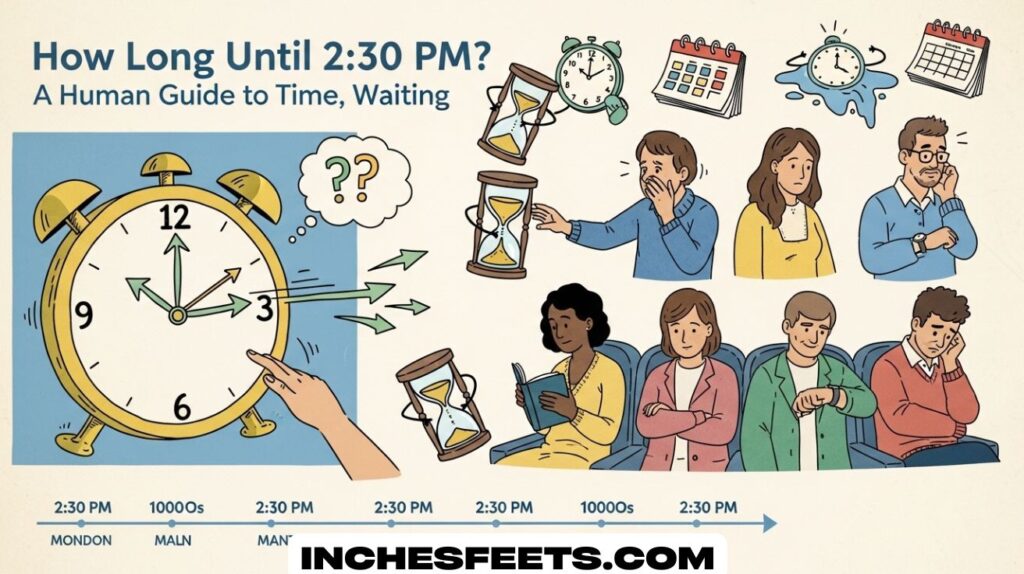
Today’s technology has made countdown systems smarter than ever before.
Voice assistants like Siri, Alexa, and Google Assistant can instantly answer questions like “how many minutes until 2:30 PM” without requiring manual calculations.
Smartphones also support advanced countdown widgets that display the exact countdown tracker directly on the home screen. Smartwatches provide quick updates using compact timer displays.
Many people now use apps that combine calendars, alarms, reminders, and countdown systems into one platform. These apps help users track time online while managing school, work, fitness, and personal schedules.
The most advanced systems even connect to smart homes and productivity platforms. A smart assistant can dim lights, play music, or send notifications when the countdown reaches zero.
This level of automation has completely changed how people experience time in modern life.
Building Your Own Countdown Habit (If You’re Into That Sorta Thing)
Building healthy countdown habits can improve focus and reduce stress.
Many productivity experts recommend using countdown systems carefully instead of obsessively. The goal is organization, not anxiety.
A simple countdown to 2:30 PM can help structure your afternoon schedule. Students may use countdowns to manage study breaks. Workers may use timers to divide projects into smaller sections.
Healthy countdown habits also improve awareness of priorities. Instead of wasting time randomly, people become more intentional with their schedules.
Experts often recommend balancing timers with real rest. Constant clock watching can create mental pressure. A countdown should guide your day, not control it completely.
Simple habits like setting reminders, organizing tasks, and using short focus sessions can make waiting feel less stressful and more productive.
See Also : 25 Common Things that are 7 Inches Long (2026)
How Long Until 2:30 PM During a Busy Workday
During a busy afternoon, the time until 2:30 PM can disappear faster than expected. Meetings, emails, phone calls, and deadlines keep the brain occupied, which changes how people experience passing hours. Many office workers barely notice the minutes left until 2:30 PM because their attention stays focused on tasks instead of the clock.
At the same time, some workers use a productivity timer or countdown timer to organize their schedules better. A visible live timer display helps people break large tasks into smaller goals before the afternoon ends. This method improves focus, lowers stress, and creates healthier daily work habits for many Americans.
Why Students Often Watch the Clock Before 2:30 PM
Students often search how long until 2:30 PM because that hour usually connects to school dismissal, sports practice, or free time. The final class period can feel endless when someone keeps checking the digital clock every few minutes. Excitement makes the waiting feel emotionally stronger and mentally slower.
Many schools now use digital systems and classroom timers to improve time management during lessons. A classroom countdown clock online or fullscreen timer helps students understand schedules more clearly. These systems also teach responsibility, planning, and awareness of daily classroom routines over time.
The Difference Between Morning Waiting and Afternoon Waiting
Morning waiting feels different from afternoon waiting because energy levels change throughout the day. A person waiting for an event at 9 AM may feel fresh and active, while someone waiting for 2:30 PM often feels mentally tired after several busy hours. This changes the overall countdown experience completely.
Afternoon waiting also connects closely to breaks, meals, school endings, and work schedules. Because of this, the 2:30 PM countdown often feels emotionally important. Many people use a future time calculator or realtime clock tool during afternoon hours because schedules become more crowded later in the day.
How Technology Changed the Way We Track Time
Years ago, people depended on wall clocks and wristwatches to calculate the time remaining until 2:30 PM. Today, smartphones, laptops, and smartwatches instantly show the exact time until 2:30 PM using automatic systems. Technology has completely changed how humans interact with schedules and waiting.
Modern apps now include advanced time tracking tools, reminders, and countdown systems that work across multiple devices. A person can start a 2:30 PM timer on a phone and continue watching the same countdown on a smartwatch or computer screen. This creates smoother and smarter daily planning.
Why Countdown Timers Feel So Satisfying
There is something deeply satisfying about watching a clock countdown move toward zero. Every passing second creates a visible sense of progress. This is why people enjoy using a digital countdown timer even for simple daily activities like lunch breaks, workouts, or online events.
Psychologists believe countdown systems create emotional comfort because they reduce uncertainty. A visible realtime countdown helps the brain understand exactly how much waiting remains. This removes guessing and gives people a stronger feeling of control during stressful or important moments throughout the day.
Using a Countdown to Improve Daily Routines
A structured countdown can improve personal organization and create healthier routines. Many people use an online timer for 2:30 PM as part of work schedules, study sessions, or afternoon reminders. A visible timer encourages consistency and helps people stay aware of their responsibilities.
Simple countdown habits also improve focus during busy afternoons. A person may use a set custom timer feature to divide tasks into smaller sections before 2:30 PM arrives. This method reduces procrastination and helps people complete important work more efficiently every day.
See Also : How Long Is 2 Inches? 25 Common Objects That Are Two Inches Long
The Emotional Side of Watching Seconds Pass
Watching the seconds remaining on a countdown screen can feel surprisingly emotional. Sometimes people wait for exciting news, family visits, important meetings, or the end of stressful situations. During those moments, the time duration feels heavier than usual because emotions become connected to every passing minute.
Humans naturally attach meaning to future moments, which is why future time tracking feels personal instead of mechanical. Even a simple hour minute second counter can create anticipation, excitement, or nervousness. Time is not only measured by clocks. It is also measured by emotion, memory, and expectation.
Frequently Asked Questions
How long until 2:30 PM today?
The answer depends on your current local time. A PM time calculator or countdown tool can instantly show the exact remaining time.
How many minutes until 2:30 PM?
You can calculate this by subtracting the current time from 2:30 PM. Most people now use a remaining time calculator for instant results.
Is there a live countdown to 2:30 PM?
Yes. Many websites offer a live countdown clock or countdown clock online that updates automatically every second.
Can I use a phone as a 2:30 PM timer?
Yes. Smartphones include built-in alarms, widgets, and smart countdown tools that work perfectly for countdown tracking.
Why does waiting sometimes feel so slow?
Your brain changes how you experience time depending on focus, boredom, stress, and emotion. That is why the same wait can feel different every day.
Conclusion
Understanding How Long Until 2:30 PM helps people manage their day with better focus and less stress. A simple countdown gives structure to work, school, meetings, and daily routines. Many people use timers, clocks, and online tools to track the remaining hours and minutes. These tools save time and make planning easier. A clear countdown also improves concentration during busy afternoons.
The idea of How Long Until 2:30 PM goes beyond numbers on a screen. Time connects with feelings, routines, and personal goals. Some people wait for lunch, while others wait for school pickup or an important task. A countdown creates motivation and helps people stay organized. Smart tools and simple habits make daily schedules smoother, calmer, and more productive for everyone.