How Big Is 10 Ounces? 16 Common Things That Weigh 10 Ounces
So how big is 10 oz, really? It is 283.5 grams — 0.625 of a pound — about the weight of a small tablet or a plump pomegranate resting in your palm: noticeable, but an easy one-handed hold.
It helps to know what 10 ounces is not. The medium avocado and the can of tennis balls are the comparisons quoted most often, and both are wrong — each lands nearer 7 ounces. The honest anchors are smaller and more ordinary: a paperback novel, a porcelain mug, a bag of chips with “10 oz” printed on the front.
Below you will find the exact conversions, sixteen things that genuinely weigh about 10 ounces — every one checked against a real source — plus five popular examples corrected along the way, because the full soda can, the medium apple, and the big smartphone all miss this weight by more than the lists admit.

How Big is 10 Ounces?
Ten ounces is a weight you meet constantly once you start looking: a generous steak, a standard bag of chips, a handheld games console. It is heavy enough to register in the hand and light enough to forget in a bag, which is exactly why recipes, postage scales, and glove makers all use it as a working unit.
| 10 oz | Equivalent |
|---|---|
| In Grams (g) | 283.5 g |
| In Milligrams (mg) | 283,495 mg |
| In Metric Tons (t) | 0.0002835 t |
| In Stones (st) | 0.0446 st |
| In Kilograms (kg) | 0.2835 kg |
One ounce is 28.35 grams, so ten of them make 283.5 grams — just over a quarter of a kilogram. It takes roughly 353 of these 10-ounce units to build 100 kg, the heavyweight anchor at the far end of this series, which makes 10 oz a handy bottom rung on the ladder: small enough to picture, big enough to scale up from.
10 Ounces To Pounds
There are 16 ounces in a pound, so divide by 16: 10 ÷ 16 = 0.625 pounds. Ten ounces is five-eighths of a pound — a little over half. That fraction is worth memorising, because it converts in both directions: anything listed at 0.625 lb, ⅝ lb, or “10 oz” on a scale readout is the same weight wearing three different labels.
Everyday Things That Weigh Exactly 10 Ounces
Short on time? These are the sixteen verified anchors used in this guide. Each one is explained, with its source, in the detailed list below it.
- A paperback book (a mid-length novel, on print-industry data)
- A porcelain coffee mug (empty)
- A pack of sliced cheese (the labelled 10 oz pack)
- A bottle of lotion (the standard 10 fl oz bottle)
- A small tablet (an iPad mini: 10.3 oz)
- A bag of chips (the labelled 10 oz bag)
- Two baseballs (5 to 5¼ oz each, by rule)
- A men’s running shoe (a Brooks Ghost 15: 10.1 oz)
- A pomegranate (the USDA reference fruit: 9.95 oz)
- A can of RO*TEL diced tomatoes (labelled net weight 10 oz)
- A bag of mini marshmallows (the labelled 10 oz bag)
- A Nintendo Switch Lite (9.7 oz)
- An Amazon Echo Dot, 5th generation (10.7 oz)
- Five large eggs (2 oz each, by USDA weight class)
- A 10 oz steak (a ribeye or strip cut to order)
- A 10 oz boxing glove (the size is the weight)
What Weighs 10 Ounces?
Here is the quick table most lists lead with — checked line by line. Two of its seven entries genuinely pass, one passes on a named model, and four are corrected, because a roll of quarters is exactly 8 ounces, not 10, and a wireless mouse is a third of the weight claimed for it.
| Item | Weight | Description |
|---|---|---|
| Boxing Gloves (Single Glove) | 10 oz | Passes: glove sizes are weights — a glove stamped 10 oz weighs 10 oz. |
| Two Medium Tomatoes | ≈8.7 oz | Corrected: a USDA medium tomato is 123 g, so two are 246 g — over an ounce short. |
| 1¼ Cups of Sugar | ≈8.8 oz | Corrected: one cup of granulated sugar is 200 g (King Arthur / USDA), so 1¼ cups is 250 g. You need about 1⅖ cups for 10 oz. |
| A Roll of Quarters | exactly 8 oz | Corrected: 40 quarters × 5.67 g (US Mint) = 226.8 g — exactly 8 ounces, not 10. |
| Standard Candles (2–3 small ones) | no standard weight | Corrected: candles carry no standard weight; a small jar candle is typically 3.7 oz of wax, so “2–3 = 10 oz” is guesswork. |
| Compact Camera (Digital) | ≈10.7 oz | Passes on a named model: Sony’s RX100 VII is 302 g with battery and card fitted. |
| Wireless Mouse + Batteries | ≈3.2 oz | Corrected: a Logitech M331 weighs 91 g with its battery — a third of the claimed weight. |
Common Things That Weigh 10 Ounces
Many everyday items get quoted at around 10 oz — but five of the usual eleven do not survive a fact-check. A full soda can is nearly 14 ounces, a medium apple is barely six and a half, and a TV remote is half this weight on a heavy day. The honest list, with the failures corrected in place, is this.
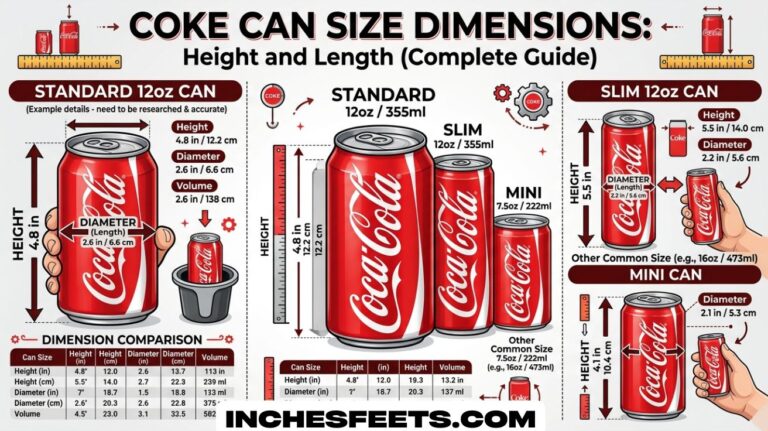
Can Of Soda
This example fails, and the label is the trap. The “12 ounces” on a soda can is fluid ounces — the volume of the drink — and the drink alone outweighs our number: 355 ml of soda weighs about 370 grams, and the aluminium can adds roughly 15 grams more, so a full standard can is about 385 grams, or 13.6 ounces.
Even the small 8 fl oz mini cans land around 8.8 ounces full. There is no standard full soda can at 10 ounces; to hold exactly 10 oz of soda you would have to pour roughly a quarter of a regular can away. Keep the heading as a warning: the can in your fridge is a 13-to-14-ounce object.
Medium-sized Apple
This one fails too — the competitor’s own text admits a medium apple weighs “around 6 to 8 ounces,” and the official figure sits at the bottom of even that range. The USDA’s medium apple, a fruit about 3 inches across, weighs 182 grams: 6.4 ounces. A large apple (223 g) still only reaches 7.9 ounces.
The honest picture is an apple and a half: one medium apple plus half of another gets you to about 9.6 ounces, close enough to feel. A single apple of any supermarket size is not a 10 oz fruit — the pomegranate further down this list is the fruit that actually is.
Paperback Book
This one checks out — for the right book. BookScouter’s guide for booksellers puts a typical paperback between 6 and 12 ounces and notes that a 300-page paperback can weigh exactly 10 ounces (283 grams); print-industry calculators working from Amazon KDP’s paper specifications agree, computing a 250-page paperback at the common 5 × 8 inch trim size at exactly 10.0 ounces.
The spread is the point: a slim mass-market novel can be 7 ounces and a fat trade paperback 14, but the mid-length novel — the 250-to-300-page book in every airport rack — lands right on 10 oz. Pick up a book of that size and you are holding this weight.
Large Smartphone
This example fails, even at the biggest sizes the industry sells. Apple’s iPhone 16 Pro Max weighs 227 grams — 8.0 ounces — and Samsung’s Galaxy S24 Ultra is 232 grams, 8.2 ounces. The heaviest mainstream flagships stop around eight and a half ounces; the competitor’s own text admits “6 to 8 ounces.”
A thick rugged case can push a big phone’s total carry weight toward 10 ounces, but that is the case doing the lifting. The phone alone, from any major maker, is a 6-to-8½-ounce device — hold one and you are about two ounces short of this page’s weight.
Coffee Mug
Counted — but only once you weigh the right mug. The competitor quotes capacities (8 to 16 fl oz) and never weighs the mug itself. Empty weights tell the real story: porcelain and fine bone china mugs run 215 to 300 grams (7.5 to 10.5 oz) in ParcelPath’s shipping guide, so a porcelain mug at about 283 grams is a genuine 10 oz mug. Standard thick-walled ceramic runs heavier, 300 to 400 grams (10.5 to 14 oz).
So picture the lighter, thinner mug — the porcelain one — sitting empty. Fill it, of course, and the coffee adds roughly its own 10 ounces of weight on top, which is why a full mug feels like a two-handed commitment first thing in the morning.
Pack Of Sliced Cheese
Counted, because the size is printed on the pack. Ten ounces is a real labelled size for sliced cheese: Target’s Good & Gather Colby Jack Cracker Cut slices, for example, are sold as a 10 oz (283 g) pack of 30 slices, and deli-style packs from several brands run the same size.
One honest footnote: the standard sandwich-slice pack on most shelves is 8 oz, not 10, so this anchor works only when the label says so. Check the corner of the pack — when it reads 10 oz, the whole pack, slices and all, is this weight.
Sunglasses With Case
This one fails by more than half. A pair of Ray-Ban Aviators — about as substantial as sunglasses get — weighs 28 to 37 grams, roughly 1.0 to 1.3 ounces. A hard case adds two or three ounces at most, so sunglasses in their case total around 3.5 to 4.5 ounces. The competitor’s own text admits “4 to 8 ounces,” and even that top figure is generous.
You would need two pairs, each in its case, to get near 10 ounces. As a pocket anchor, sunglasses are a 4-ounce object wearing a 10-ounce reputation.
Bottle Of Lotion
Counted, on the labelled-size basis. The standard bathroom bottle is 10 fl oz — Vaseline Intensive Care and Jergens Original both sell their lotions in exactly that size — and 10 fluid ounces of a water-based lotion weighs about 10 ounces in itself. The thin plastic bottle adds a little on top, so a full one lands right around this weight, a touch over.
That makes the lotion bottle one of the easiest anchors in the house: the big pump bottle by the sink is a 10 oz object, and it stays one until the last few pumps.
Small Tablet
Counted, on a named model — and the competitor’s “10 to 15 ounces” range needs tightening to make it true. Apple’s iPad mini (A17 Pro) in its Wi-Fi version weighs 293 grams, which is 10.3 ounces: the mini-class tablet is the 10 oz screen. Larger 10-to-11-inch tablets run 15 to 17 ounces, and phones sit far below, so the match belongs to the smallest tablets specifically.
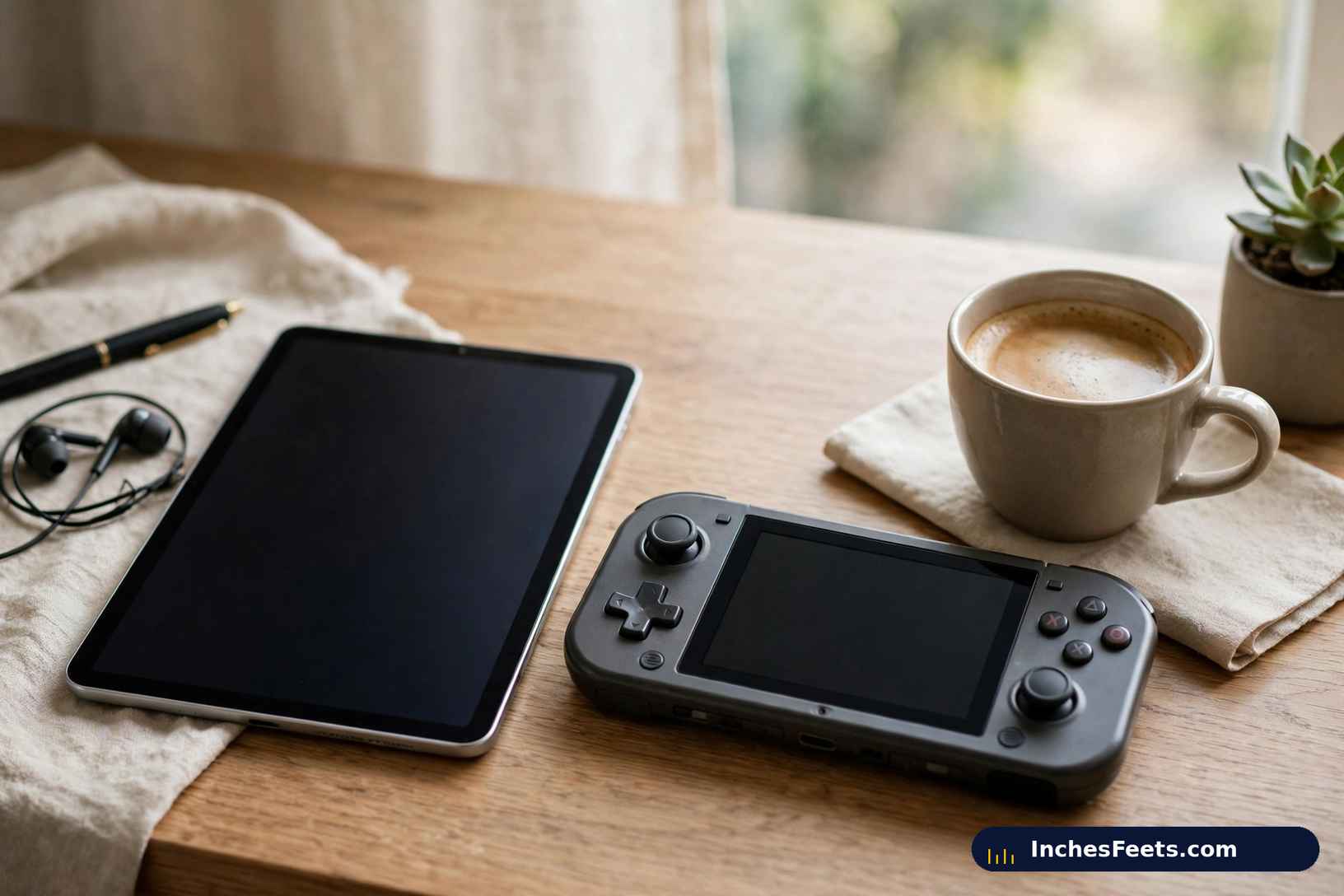
It is also a useful anchor because it is so familiar: the tablet you hold one-handed on the sofa, light enough to read with and heavy enough to notice in a tote bag, is this weight almost to the gram.
Bag Of Chips
Counted, and exact, because it is printed on the bag. Ten ounces is a standard grocery size for chips: Lay’s sells its Wavy Original in a 10 oz bag, and Lay’s own help pages confirm regular Lay’s are sold in 10-ounce bags among the regular sizes. Net weight is a legal declaration, so the chips inside are 10 oz by law, with the bag itself adding only a few grams.
Party-size bags run bigger and the single-serve lunchbox bags much smaller, but the standard supermarket bag — the one in the pantry right now — is this weight.
TV Remote Control
This one fails. Remotes are far lighter than the “4 to 8 ounces” usually quoted: Roku’s remotes weigh about 2.6 to 3.2 ounces with batteries fitted, Apple’s Siri Remote is 63 grams (2.2 oz), and even Samsung’s large Qwerty remote is 134 grams — 4.7 ounces, the heavyweight of the class.
A typical remote is a 2-to-5-ounce object: half this page’s weight or less. You would need to hold two or three of them together to feel 10 ounces, which is a fair description of most coffee tables but not of any single remote.
Two Baseballs
Counted, by rulebook. Major League Baseball’s Rule 3.01 fixes the ball’s weight at between 5 and 5¼ ounces — it has done for over a century — so two regulation baseballs weigh 10 to 10.5 ounces between them. No estimate is involved: the standard is the scale.

That makes a pair of baseballs one of the most reliable anchors on this list. If you have ever held a ball in each hand at a game or in a sporting-goods store, you have held ten ounces, give or take a quarter-ounce of rulebook tolerance.
A Men’s Running Shoe
Counted, on a named model. Running shoes are specified by the single shoe, and Brooks lists its Ghost 15 men’s trainer at 10.1 ounces (286 grams) per shoe — the middle of the everyday-trainer range, where most cushioned road shoes from the major makers cluster between about 9 and 11 ounces.
So one trainer, not the pair: lift a single running shoe and you are within a tenth of an ounce of this page’s weight. (Brooks’s newer Ghost 16 is quoted at slightly different figures by different sources, which is why the named anchor here is the Ghost 15 and its manufacturer’s figure.)
A Pomegranate
Counted — and the closest thing on this list to a bullseye. The USDA’s reference pomegranate, a fruit about 4 inches across, weighs 282 grams: 9.95 ounces, within a twentieth of an ounce of the target. Real fruit varies a little either side of the reference, as fruit does, but the standard pomegranate is a 10 oz fruit in a way the medium apple simply is not.
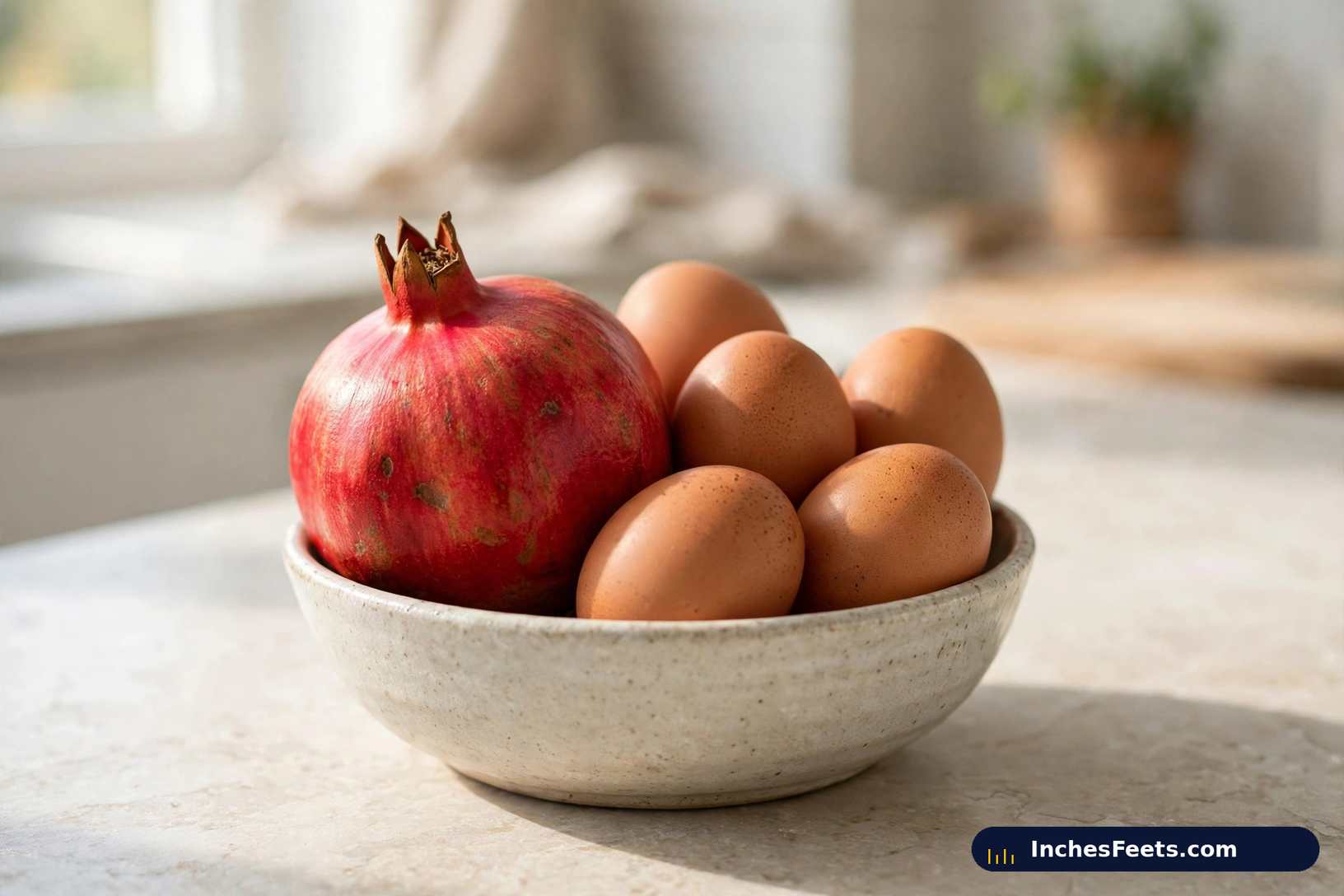
It is a satisfying anchor, too: dense, jewel-packed, and heavier than it looks. If a pomegranate feels surprisingly weighty in the hand, that is because it is carrying this page’s entire weight in one round package.
A Can of RO*TEL Diced Tomatoes
Counted, because the label says so in so many words: a can of RO*TEL diced tomatoes is marked “NET WT 10 OZ (283g)”. A whole class of pantry cans — diced tomatoes, enchilada sauce, and similar staples — is packed to a labelled net weight of exactly 10 ounces.
Labelled net weight is a legal figure, not a serving suggestion, so this anchor needs no weighing and no tolerance talk. The can on the pantry shelf is 10 ounces of food, plus a few grams of tinplate if you count the can itself.
A Bag of Mini Marshmallows
Counted, on the same labelled basis. Jet-Puffed Mini Marshmallows are sold in a 10 oz bag — the standard baking-bag size, made for recipes that call for a bag rather than a weight. Ten ounces of marshmallows is a surprising amount of marshmallows, since each one is mostly air and sugar foam; the bag is big, soft, and exactly this heavy.
It is a kind anchor for the kitchen: if a recipe ever asks you for 10 oz of marshmallows, the answer is simply “one bag.”
A Nintendo Switch Lite
Counted, on the maker’s own specification. Nintendo lists the Switch Lite at approximately 275 grams — 9.7 ounces — the lightest full console the company has made, designed to disappear into a jacket pocket.
A third of an ounce under the target is well inside “about 10 ounces,” and the Lite is an anchor millions of people already own: the console a child carries one-handed around the house is, to all practical purposes, this weight.
An Amazon Echo Dot (5th Gen)
Counted, on Amazon’s own specification: the fifth-generation Echo Dot weighs 304 grams, which is 10.7 ounces — a little over the line, disclosed as such. Its smaller sibling, the Echo Pop, is lighter, so the anchor is specifically the full-size Dot.
An overage of seven-tenths of an ounce is the honest price of using a real, named product instead of a rounded claim, and the Dot earns its place anyway: the palm-sized speaker on the kitchen counter is one of the most common 10-ounce-class objects in a modern home.
Five Large Eggs
Counted, by federal standard. USDA egg weight classes are defined by the dozen: a dozen Large eggs must weigh at least 24 ounces, which fixes a Large egg at 2 ounces each. Five of them are 10 ounces — arithmetic set by the grading standard, not by any individual hen.
It is the most buildable anchor in the kitchen: count five large eggs out of the carton and you have assembled this page’s weight from five identical 2-ounce parts, no scale required.
A 10 oz Steak
Counted, because steaks are cut to order by weight. Butchers and steakhouses sell the cut, not the concept: Omaha Steaks, to take one national seller, offers its ribeyes and its boneless New York strips in a 10 oz size, alongside 8 oz and 12 oz cuts of the same steaks.

A 10 oz ribeye is the classic generous single serving — thick enough to need resting, heavy enough to anchor a plate. Order one and the kitchen weighs your dinner to this page’s number before it ever reaches the grill.
A 10 oz Boxing Glove
Counted, because in boxing the size is the weight. Gloves are manufactured and stamped in ounce sizes — 8, 10, 12, 14, 16 — and a glove stamped 10 oz weighs 10 oz; Everlast and every other major maker sell the size, and 10 oz is the standard glove for lighter-weight professional bouts and much adult sparring.
The competitor’s quick table had this one right, and it deserves its full section: of every object on this page, the boxing glove is the only one whose name is a weight. When a trainer says “tens,” everyone in the gym knows exactly how heavy your hands are about to be.
How to Visualize 10 Ounces Without a Scale
No scale, no problem. Build the number from things you can count: two baseballs, five large eggs, one pomegranate, or a single running shoe. In snack terms it is about two full Pringles cans at 147 g of crisps each — 294 g, roughly 10.4 oz — and our Pringles can dimensions guide has that can’s full measurements, if you want the long version.
Your hand gives you a second test. Ten ounces is a comfortable one-handed hold — a full coffee mug’s worth of heft, a small tablet, a paperback novel. If you can toss it lightly and catch it without thinking, it is in this class; if it pulls your wrist down, like a full soda can at 13.6 ounces, it is already over.
10 Ounces vs 10 Fluid Ounces: Why They Are Not the Same
Half the confusion around this weight — including the soda can above — comes from two different units sharing one word. An ounce measures weight. A fluid ounce measures volume: how much space a liquid takes up. They meet only in water, and even there only roughly: 10 fluid ounces of water weighs about 10.4 ounces, close enough to hide the difference in a recipe and far enough to break one in a laboratory.
For anything denser or lighter than water, the two drift apart. Ten fluid ounces of honey weighs about 14.8 ounces; ten fluid ounces of cooking oil, about 9.5. That is why the soda can’s “12 fl oz” tells you the size of the drink and nothing about its weight — and why bakers who weigh their ingredients never have to care which ounce a recipe meant.
When an Exact 10 Ounces Matters
Most days, “about ten ounces” is close enough. Sometimes it is not. Postage is the sharpest example: US carriers price parcels in ounce steps, so a package at 10 ounces and the same package at 10.2 can sit in different price bands — the scale at the post office counter is not rounding in your favour.
Precision matters in the kitchen, too, where 10 oz of flour measured by weight is the same every time and “about a cup and a quarter” is not. And it matters in the gym bag: glove sizes are checked because a 10 oz glove and a 12 oz glove are different equipment in a bout, not a rounding error. Exact is exact for a reason.
Conclusion
Ten ounces is 283.5 grams, 0.625 of a pound, and — once it is anchored to real things — an easy weight to feel: a small tablet, a porcelain mug, two baseballs, a pomegranate that lands within a twentieth of an ounce of the mark. The full soda can, the medium apple, the big smartphone, the sunglasses, and the TV remote never belonged on the list, and the roll of quarters turned out to be exactly 8 ounces wearing a 10-ounce label, which is exactly why every example here was checked instead of copied.
Keep the anchors that fit your life and the unit discipline that keeps them honest: check whether a number is ounces of weight or fluid ounces of volume before you trust it, and remember that it is also, neatly, two regulation baseballs — the rulebook weight behind the baseball has not changed in over a century, which is more than can be said for most of the numbers on the internet.
FAQs
What Weighs 10 oz?
A small tablet, two baseballs, five large eggs, a pomegranate, or a labelled 10 oz bag of chips. Not a full soda can (about 13.6 oz) or a medium apple (about 6.4 oz), whatever other lists say.
How Many Ounces in a Gallon?
128 fluid ounces in a US gallon. A UK imperial gallon is bigger: 160 fluid ounces.
How Much Is 10 oz to lbs?
0.625 pounds. There are 16 ounces in a pound, so divide by 16: 10 ÷ 16 = 0.625 lb.